What is Whole Grain?
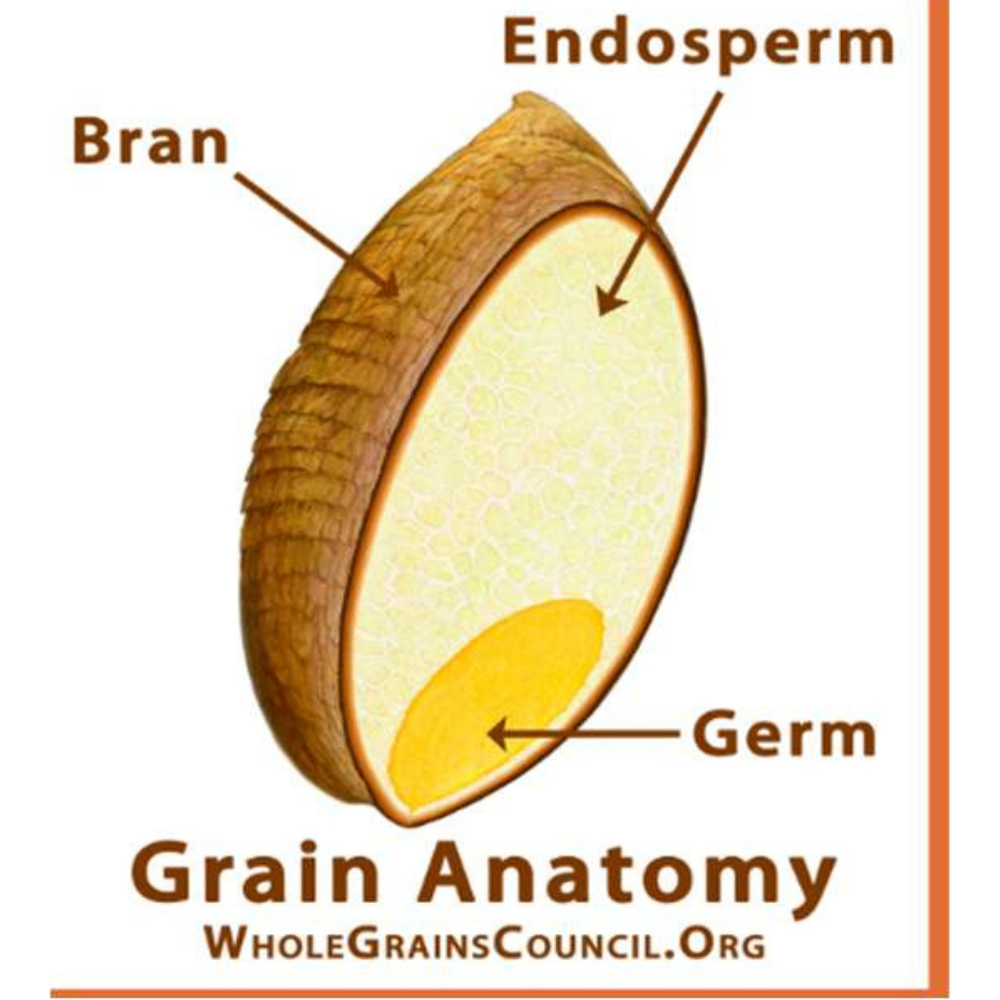
According to US Whole Grain Council , whole grain is made up of three key edible parts – the bran, the germ, and the endosperm – protected by an inedible husk that protects the kernel from assaults by sunlight, pests, water, and disease.
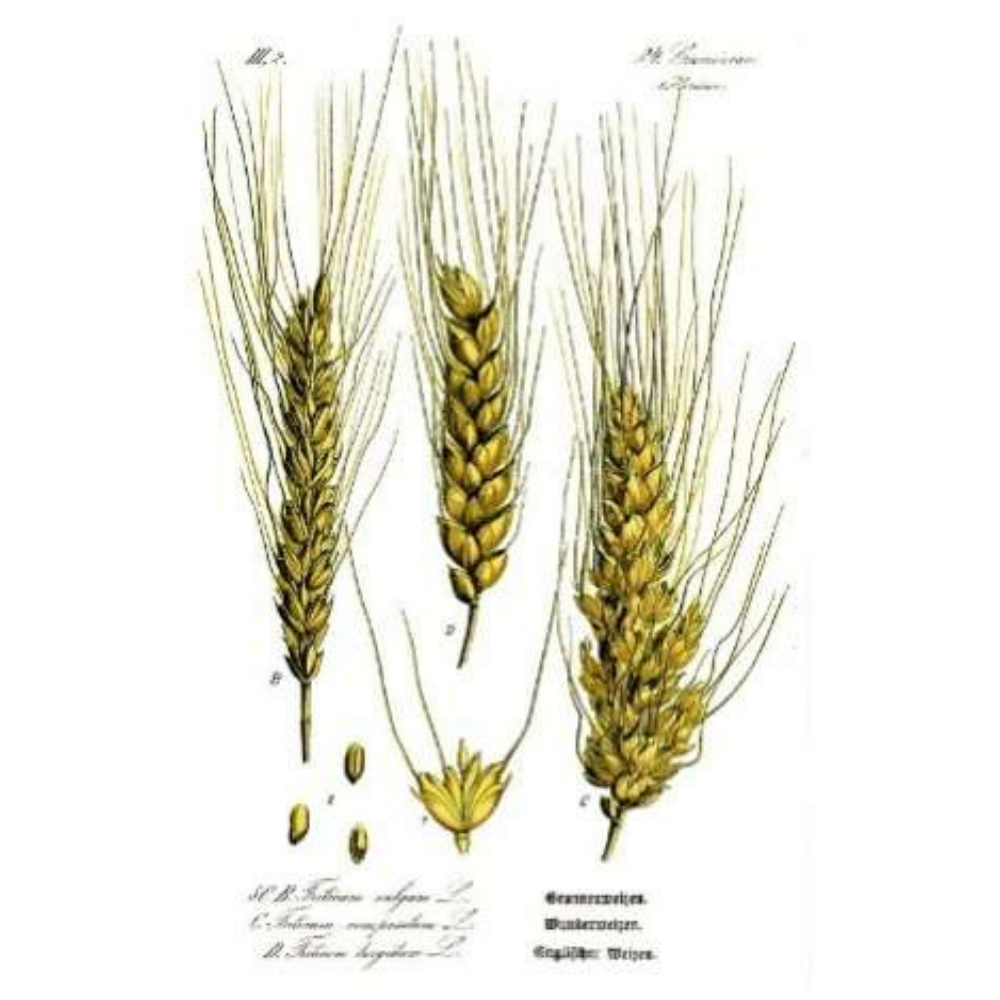
German T550 Wheat Flour
Triticum aestivum, commonly known as common wheat or bread wheat. German T550 wheat flour is a versatile, fine-milled, all-purpose flour with a medium protein content of around 9–11% and a mineral content of about 0.55%, making it ideal for yeast-leavened baked goods like bread, rolls, and pastries. It is slightly darker and more nutritious than finer white flours.
German Whole Wheat Flour
Whole wheat refers to the entire edible kernel, also known as the wheat berry, of various species within the genus Triticum. It is milled to include all parts of the grain — bran, germ, and endosperm — to produce whole wheat flour, offering more nutrients than refined flour.
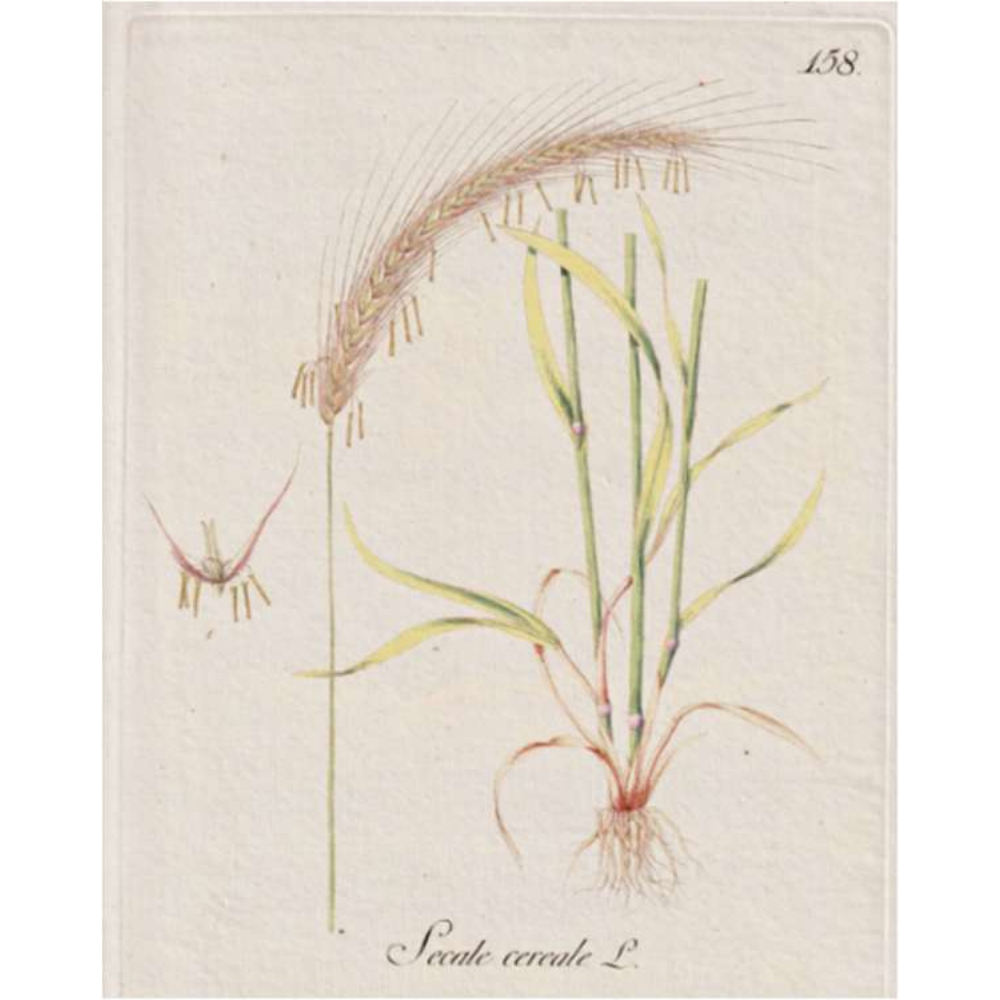
German Whole Rye Flour
Secale cereale is the botanical name for rye, a hardy cereal grain closely associated with German agriculture and cuisine. It is commonly used in traditional German breads such as Roggenbrot.
Dietary Fiber:
Rye has one of the highest fiber contents among common cereals, ranging from 15% to 25% on a dry matter basis. It is mainly composed of arabinoxylans and fructans..
Protein:.
Rye typically contains around 8% to 15% protein, depending on growing conditions. Rye protein has a slightly better amino acid profile than wheat due to its higher lysine content.
Carbohydrates:.
Rye has a starch content of approximately 55% to 65%.
Bioactive Compounds:.
Rye is rich in phytochemicals such as phenolic acids, tocols, phytosterols, lignans, and alkylresorcinols, many of which are concentrated in the bran..
Unlike wheat, rye does not contain the same type of gluten structure. The structure of rye baked goods is supported mainly by pentosans, which are part of rye starch. Rye flour is commonly used in bread making because of its robust flavor and dense texture.
.
It is especially valued for producing hearty and flavorful loaves that are rich in fiber and nutrients. Rye flour also contains higher levels of iron, potassium, and B vitamins compared to regular wheat flour..
Sourdough is needed to process rye flour properly, giving rye baked goods their distinctive aromatic taste. Outside of German-speaking countries, rye cultivation is of relatively little importance.
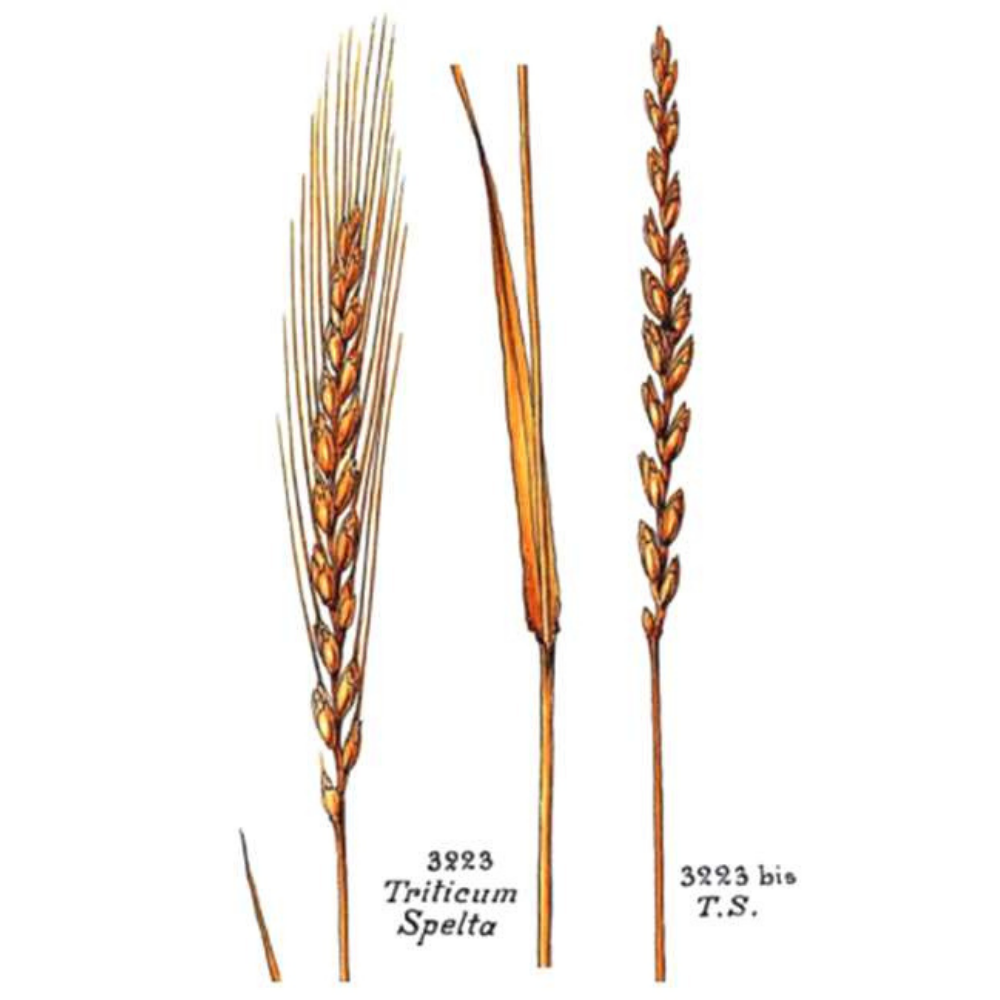
German Whole Spelt Flour
Triticum spelta, commonly known as spelt, is a hulled ancient grain known for its high protein content, minerals, and fiber. It contains strong gluten, but the dough structure is generally weaker than modern wheat.
Spelt is suitable for organic farming and is commonly used in healthy baking. It typically has a high protein content of around 12% to 22% and a higher fiber level compared to common wheat.
Spelt was highly regarded by Hildegard of Bingen, a medieval saint and mystic, who considered it a superfood. Unlike modern wheat, spelt has a tougher husk, which helps protect the grain and retain more nutrients.
Spelt flour is used in bread and pastry making. It offers a slightly nutty flavor and lighter texture. It is higher in protein and fiber than common wheat flour and provides essential vitamins and minerals such as B vitamins, iron, and zinc.
Protein Content:
Spelt grain generally has a higher protein content than common wheat, often ranging from 12% to over 18%.
Gluten:
Spelt contains a high amount of gluten and is not suitable for individuals with celiac disease. However, some people with non-celiac wheat sensitivity may find it easier to digest, possibly due to the gluten’s higher water solubility or the use of traditional processing methods such as sourdough fermentation.
Flavor:
Spelt has a distinct nutty and slightly sweet flavor.
Other Nutrients:
Spelt is a good source of fiber, manganese, phosphorus, niacin, magnesium, and iron.
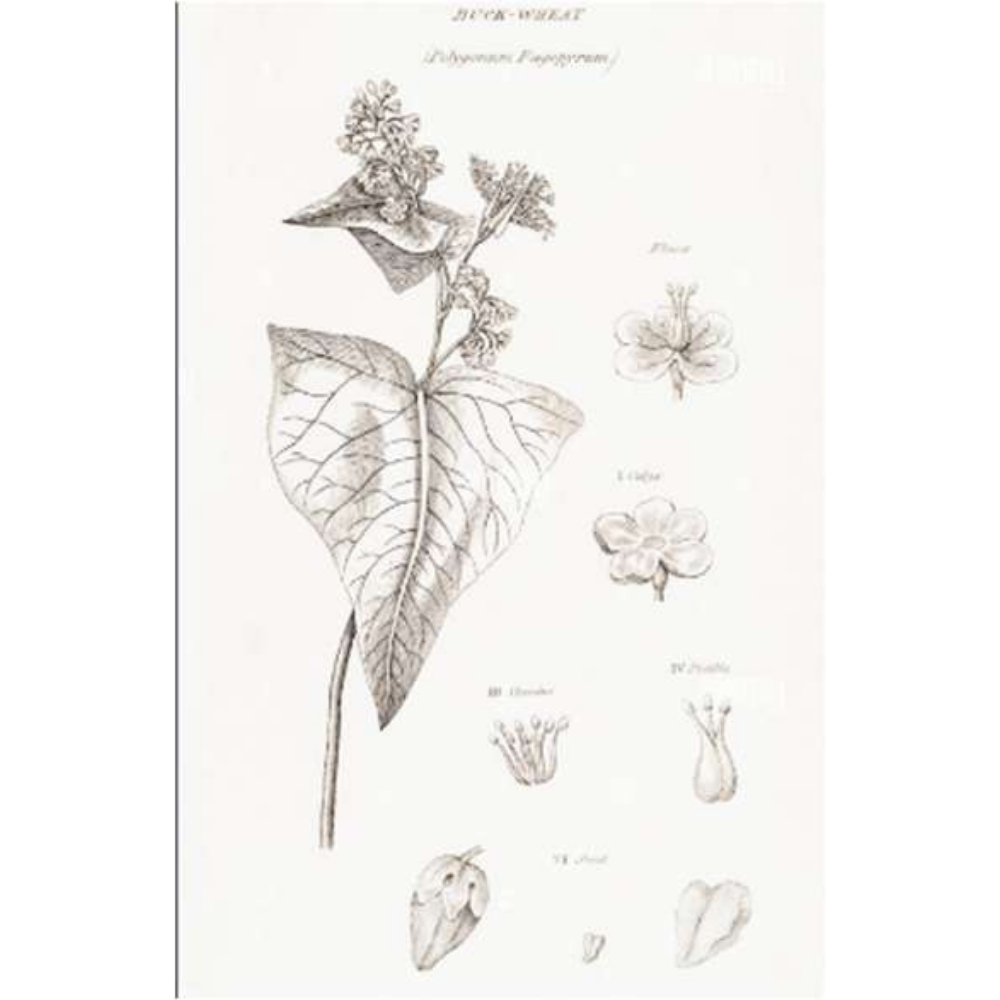
Buckwheat
Fagopyrum esculentum is the scientific name for common buckwheat, a flowering plant grown for its grain-like seeds and as a cover crop, belonging to the knotweed family (Polygonaceae), not the wheat family, making it a pseudocereal used like grains but related to sorrel and rhubarb.
It's known for its fast growth, ability to thrive in poor soils, attractive pinkish-white flowers that attract bees, and nutty, triangular seeds, with uses in food (like flour for pancakes).
Nutrition
Raw dry buckwheat is 10% water, 72% carbohydrates, 13% protein, and 3% fat (table). In a reference amount of 100 g (3.5 oz), dry buckwheat supplies 343 calories of food energy, and is a rich source (20% or more of the Daily Value, DV) of three B vitamins (riboflavin, niacin, pantothenic acid) and several dietary minerals.
Gluten-free
As buckwheat contains no gluten, it may be eaten by people with gluten-related disorders, such as celiac disease, non-celiac gluten sensitivity or dermatitis herpetiformis.
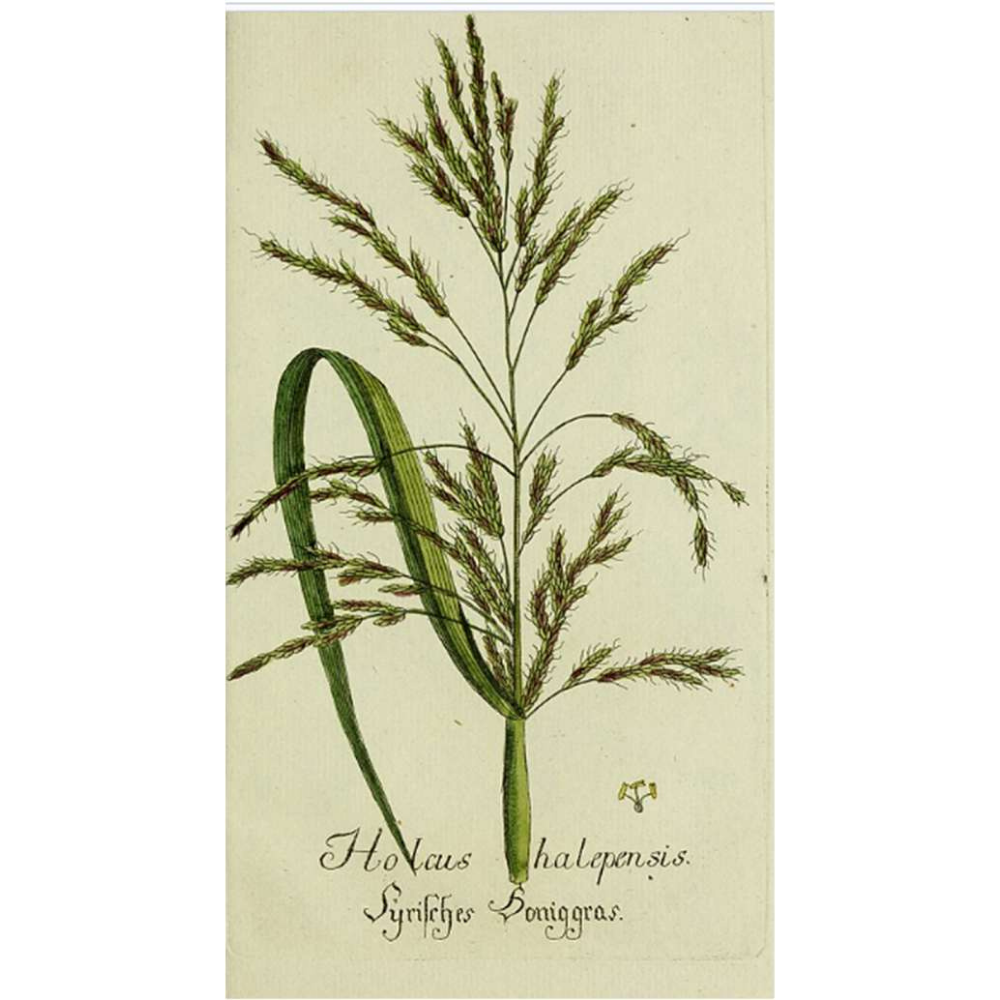
Sorghum
Sorghum flour is a nutrient-dense, gluten-free, and high-fiber flour derived from the ancient Sorghum bicolor grain. It has a mild, sweet, and nutty flavor with a smooth, wheat-like texture, making it ideal for cakes, cookies, pancakes, and breading. Often used in gluten-free baking blends, it is a healthy, protein-rich alternative to wheat.
Key Characteristics and Benefits
Nutritious & Fiber-Rich:
High in dietary fiber, plant-based protein, and essential nutrients including iron, magnesium, and B vitamins.
Gluten-Free & Low GI:
Naturally gluten-free, making it suitable for celiac disease or gluten intolerance, with a low glycemic index for blood sugar management.
Nutty Flavor:
Provides a light-colored, mild, slightly nutty, and earthy taste to baked goods.
Sustainable:
Sourced from a drought-resilient plant suitable for dry climates.
Why Sourdough bread is the healthiest bread and is good for you?
A real sourdough bread only contain the basic simple ingredient. Salt, water, wheat flour and Sourdough.
The flours we use comes from a family mill from German with a history more than 400 years since 1589 and mill by the 15th Generation Master Mill Mr. Joan Aicher.
Wheat Germ from the wheat which is very important like the baby of future plant and it is a superfood. Our starter which comes from German Hanover which is more them 100 years old.